IRI Home

Methods for Studying Impacts of ENSO

Introduction
Basic Questions
Long-Term Studies
Case Studies

Introduction

El Niño and La Niña are notorious for being blamed for every thing that has occurred during an event. Articles on El Niño often have examples of this approach: a long list of all the bad things that El Niño has done in the past. The list approach is not very useful if our aim is to anticipate and respond to the impacts of future El Niño and La Niña events. To be able to do this we need to have much more information on:
  • What is an ENSO impact, and what isn't?
  • How consistently do the impacts occur during ENSO events?
  • How and why do the impacts vary from one event to another?
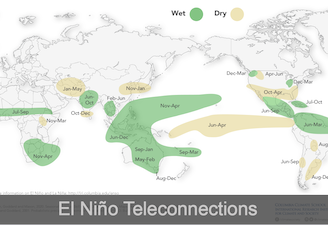
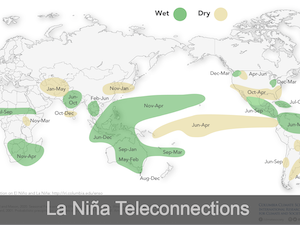
The answer to the first question usually comes from knowing how ENSO affects the climate conditions in the region where the impact occurred -- and whether the impact is likely to have been caused by these climate conditions. To find out more about the effects of ENSO on climate, see Global effects of ENSO on climate.

The answer to the second question is important, because if there is a consistent relationship, over a long period of time, between ENSO and a particular impact, then we can be more confident that this relationship will hold in the future. To identify and describe these relationships we generally need to use statistical analysis of historical impact data.

The answer to the third question comes from looking in detail at what happened during a particular ENSO event. It can give us a broad understanding of the variety of ways in which climate affects society, the other factors that contributed to the outcomes, and the usefulness of responses to forecasts. This approach is usually descriptive rather than analytical.