Top Stories
Managing Water in a Dry Land
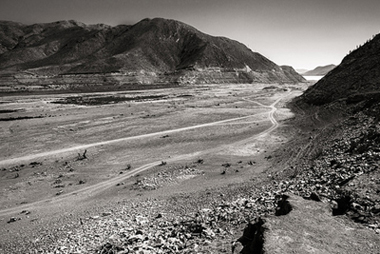
The Elqui River basin in Chile's Coquimbo region is one of the driest places on Earth, receiving 100 millimeters (4 inches) of rain each year. That rainfall is highly variable: in some years, the region gets close to zero rainfall, while in others it gets five times the normal amount. All of this poses a challenge to those managing water resources in Elqui basin, which provides drinking water for two cities and irrigation for large vineyards, small farmers and goat herders. Since 2010, IRI and colleagues at UNESCO and in Chile have been working with Elqui's water managers to help them use seasonal forecasts as way to better allocate water and prepare for droughts.
Chasing Tornadoes: A Close Call with a Deadly StormTornadoes are rare at any one location, but out of anywhere in the United States, the central Oklahoma area has the greatest risk--and this day would prove no exception. IRI postdoctoral research scientist and severe convection expert John Allen writes about his experience chasing the largest tornado ever recorded.
Published & Noteworthy
|
| |
|
|
In the first of a two-part interview with International Innovation, IRI Director Lisa Goddard gives an overview of climate risk management and how it is being integrated in the institute's work around the world.
Goddard also explains how IRI's state-of-the-art data and products are helping its partners facilitate their planning and decision making in climate-sensitive sectors such as public health, disaster management and food security.
|
|
A new collection of short papers gives an overview of the rapidly growing demand of index-based insurance products for food security. The report identifies the challenges of scaling small pilot projects up to the level of real world implementation.
The publication is the outcome of a workshop called The challenges of index-based insurance for food security in developing countries, organized by the Joint Research Centre of the European Commission and IRI in May 2012.
|
|
|
|
|