Top Stories
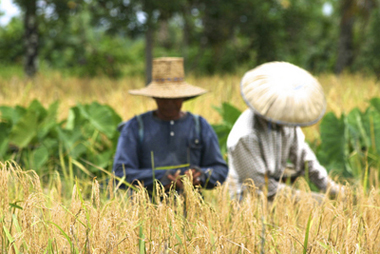
Climate adaptation tools to help farmers in South & Southeast Asia
A new two-year climate change initiative, led by the International Research Institute for Climate and Society aims to help farmers in Indonesia, the Lao People's Democratic Republic and Bangladesh reduce their vulnerability to climate risks.
Climate and Society Students 'Develop' Research for NASA, IRI
Predicting malaria outbreaks before they occur and improving crop yield forecasts from space might sound like science fiction, but they're projects going on at the IRI. This spring, Climate and Society students Caitlin Reid and Sunny Ng jumped headlong into them as part of a NASA internship.
Just Published
|
|
|
Tree rings and other record of past climate can help us better characterize a region's current climate variabilty and risk. In doing so, they have the potential to improve the accuracy of index insurance pricing, researchers write in a new study in Global Environmental Change.
"Lowering costs and uncertainty in climate insurance programs ultimately means more poor farmers can have access to solid products," says Dan Osgood, a coauthor on the study.
|
|
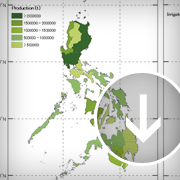
Rice is the most important crop for the people of the Philippines. It also happens to be highly susceptible to climate variability. Year-to-year changes in rice production and yields can have significant impacts on food security, especially among the country's poorest.
A new study shows there's a high potential for predicting rice production at a national level based on seasonal climate forecasts and historical records of rice production and yields, in conjunction with simple models.
"Our work shows the potential for seasonal climate forecasts to help national decision makers ensure food security in the Philippines through early warning of possible production shortages up to six months in advance," says coauthor Andrew Robertson. "Forecasts don't have to be restricted to just predicting rainfall."
|
|
|
|
|